Tarot vs Oracle Cards: Understanding the Difference (And Why You Might Want Both)
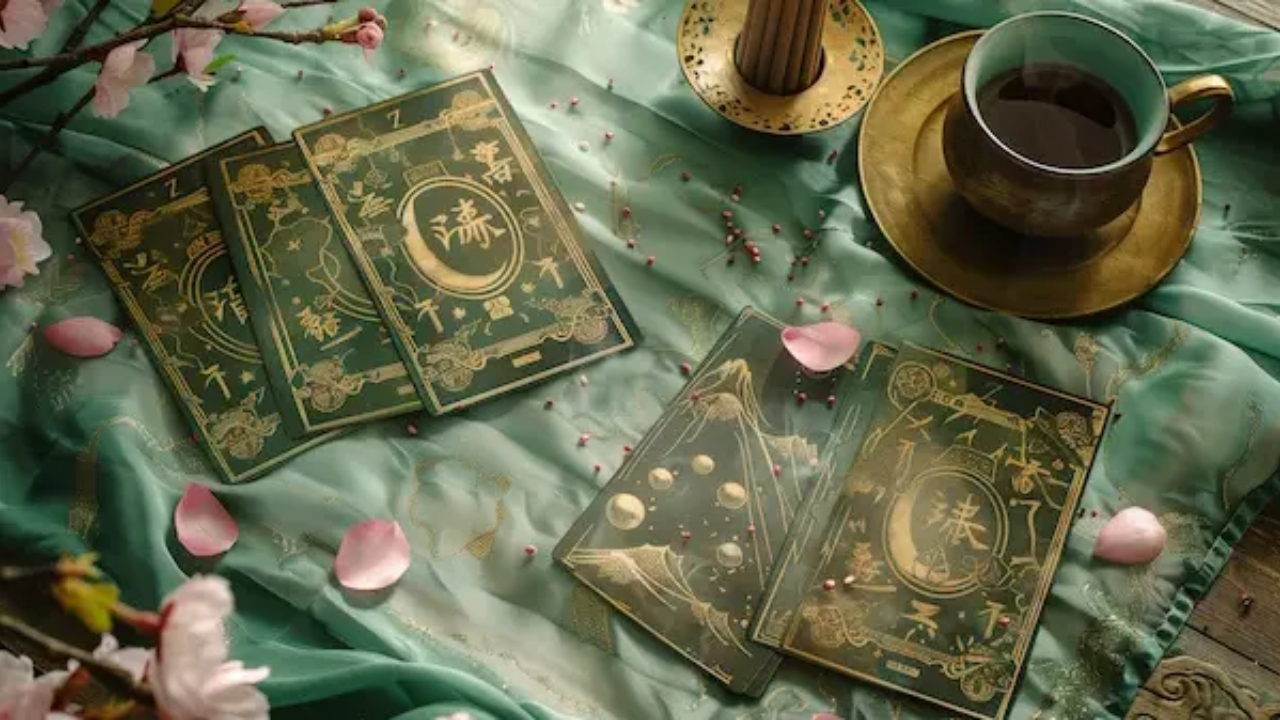
If you're new to card-based divination, the distinction between tarot and oracle cards can feel confusing. They look similar - both involve pulling cards for insight and guidance. But they work quite differently, and most experienced readers don't choose between them. They use both, for different purposes, often in the same reading. Here's what you need to know.
The Fundamental Difference
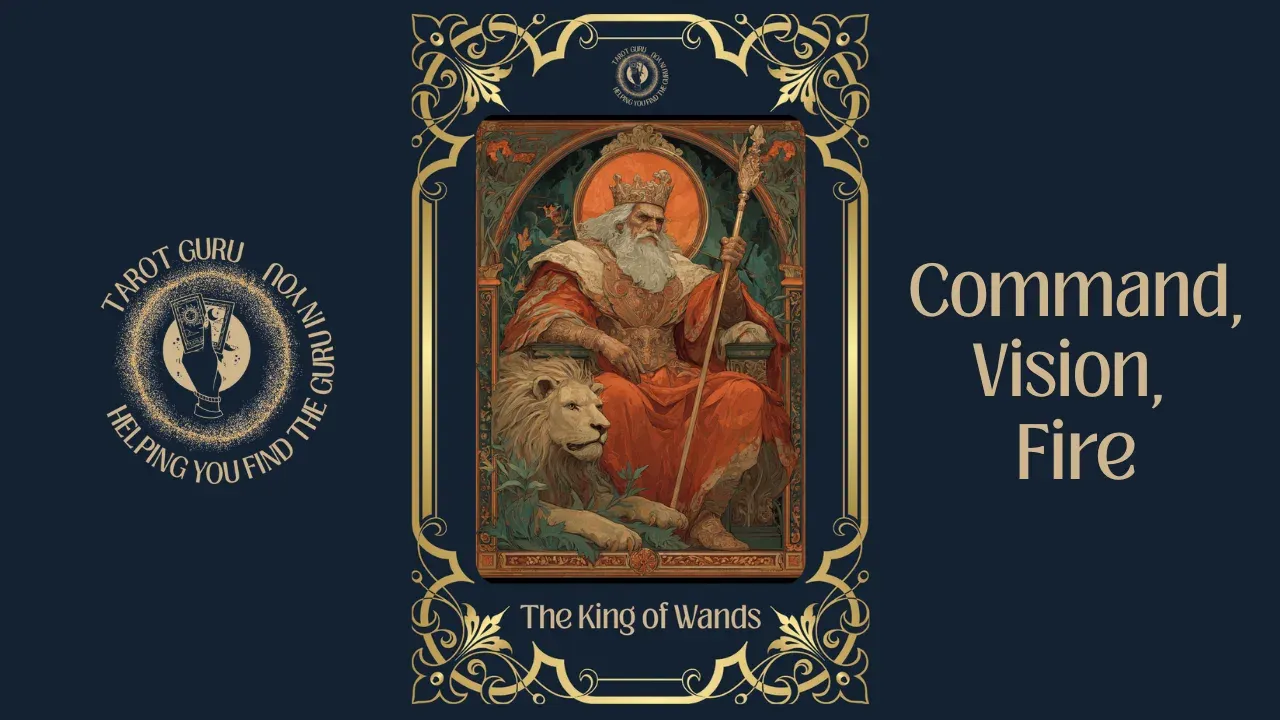
Tarot cards follow a specific structure: 78 cards divided into the Major Arcana (22 cards representing major life themes and spiritual lessons) and the Minor Arcana (56 cards divided into four suits that map everyday experiences). This structure has remained consistent for centuries. Whether you're using a traditional Rider-Waite deck or something more contemporary, those 78 cards and their essential meanings stay the same.
Oracle cards have no set structure. A deck might contain 44 cards, 52 cards, or any number the creator chooses. There are no required suits or specific archetypes. Each oracle deck is its own self-contained system with meanings defined by whoever created it. Some focus on affirmations, others on goddess archetypes, angels, animals, or abstract spiritual concepts. The creator determines everything.
Think of it this way: tarot is like a detailed topographical map with elevation lines, landmarks, and precise coordinates. Oracle cards are like a compass - they point you in a direction but leave the specifics of the journey open to interpretation.
Or to use another metaphor: tarot is a commercial airplane cruising at 30,000 feet, giving you a comprehensive view of the landscape below with all its details and patterns. Oracle cards are a helicopter that can hover over one specific spot, offering focused attention on the emotional or energetic essence of a situation. They're looking at the same landscape from different altitudes, each revealing something the other might miss.
What Tarot Does Best
Tarot's structured 78-card system makes it exceptional for detailed exploration. When you need to understand the complexities of a situation - the background, the current dynamics, the likely outcome, the hidden factors, what you can control and what you can't - tarot provides the framework.
The four suits (traditionally Cups, Wands, Swords, and Pentacles) correspond to four elements and four life domains: emotions, passion and creativity, thoughts and communication, and material concerns. This elemental structure helps you see which aspect of a situation needs attention. Are you stuck in overthinking (Swords)? Is this an emotional matter (Cups)? Does it require action (Wands) or practical planning (Pentacles)?
The numbered cards within each suit (Ace through Ten) show progression - beginnings, challenges, fulfillment, and everything in between. The Court Cards (Page, Knight, Queen, King) can represent people in your life or aspects of your own personality. The Major Arcana cards point to universal themes and soul-level lessons that transcend everyday concerns.
This systematic structure means tarot excels at:
Complex multi-card spreads. A Celtic Cross spread with ten cards can map past influences, present circumstances, hidden factors, hopes and fears, and likely outcomes. The structure holds all that complexity without becoming chaotic.
Tracking patterns over time. Because the cards have consistent meanings, you can look back at readings from months ago and see how themes evolved. If Swords kept appearing in your spring readings and now Cups are showing up, that shift tells you something.
Detailed problem-solving. When you need to understand all the moving pieces of a complicated situation - relationships with multiple people, career decisions with many factors, understanding why you keep repeating certain patterns - tarot's comprehensive system can hold all that nuance.
Learning a complete symbolic language. Once you know tarot, you can read any tarot deck. The imagery might differ, but the Three of Swords always deals with heartbreak and painful truth. The Empress always embodies abundance and nurturing. That consistency means your learning compounds over time.
What Oracle Cards Do Best
Oracle cards operate on intuition and immediate resonance. Because they're not bound by a predetermined structure, they can be more direct, more poetic, more emotionally immediate. They speak in the language of feeling rather than systematic analysis.
This makes oracle cards exceptional for:
Setting the emotional or energetic tone. Many readers pull a single oracle card before doing a tarot spread. That card establishes the overall energy - maybe it's about trust, or releasing control, or embracing change. That one word or image becomes the lens through which you interpret the more detailed tarot reading that follows.
Quick intuitive guidance. When you need a fast check-in rather than deep analysis, oracle cards deliver. One card pulled in the morning can set your intention for the day. The message is usually clear and actionable without requiring extensive interpretation.
Cutting through overthinking. Sometimes a tarot reading gets too complex. You've laid out seven cards and you're drowning in details, unable to see the forest for the trees. Pulling a single oracle card can cut through all that mental noise with a simple, clear message: "The answer is courage" or "This is about healing" or "You already know what to do."
Focused thematic exploration. Oracle decks organized around specific themes - goddesses, chakras, moon phases, animal wisdom - let you work deeply with one symbolic system. If you're doing shadow work, an oracle deck specifically designed for that purpose might serve you better than tarot's broader framework.
Immediate accessibility. You don't need to memorize 78 card meanings to use oracle cards effectively. Most oracle decks come with guidebooks that explain each card's message. You can start working with them immediately, trusting your intuition and the creator's guidance.
How Readers Use Both Together
Here's what experienced readers often do: they don't choose between tarot and oracle cards. They use both, in the same reading, for different functions.
Opening with oracle. Pull an oracle card first to establish the reading's emotional foundation. This card sets the tone and helps you approach the tarot spread with the right mindset. If the oracle card is about surrender, you'll read the tarot cards through that lens. If it's about taking action, that changes your interpretation of the same tarot cards.
Clarifying with oracle. After laying out a tarot spread, if one position feels confusing or the overall message seems muddy, pull an oracle card for clarity. The oracle card often cuts through the complexity with a simple, direct message that makes everything else fall into place.
Closing with oracle. End a detailed tarot reading by pulling a final oracle card that distills the entire reading into one essential message. This gives you something simple to remember and carry forward, even if the tarot spread covered a lot of ground.
Using different decks for different questions. Some readers keep multiple decks and choose based on the question's nature. Relationship questions might call for a tarot spread because you want to understand all the dynamics and factors. A question about your spiritual path might work better with an oracle deck focused on mystical wisdom. Creative blocks might respond to oracle cards about inspiration and flow.
The helicopter and airplane metaphor holds here. Sometimes you need the airplane's comprehensive view of the entire landscape. Sometimes you need the helicopter to hover over one specific spot and really examine what's happening there. Both perspectives reveal truth - just different aspects of it.
Which Should You Learn First?
This depends entirely on how you prefer to learn and what draws you.
Start with oracle cards if: You trust your intuition more than systematic learning. You want immediate access without a steep learning curve. You prefer simplicity and direct messages. You're drawn to specific themes or artistic styles. You want something you can use right away without feeling like you need to study first.
Start with tarot if: You enjoy learning systems and frameworks. You want depth and the ability to do complex readings. You appreciate structure and consistent meanings across different decks. You're willing to invest time in learning in exchange for a more comprehensive tool. You like having detailed guidebooks and established traditions to learn from.
But here's the truth: you'll probably end up with both eventually. Readers who start with tarot often add oracle decks later when they want something more intuitive and flexible. Readers who start with oracle cards eventually get curious about tarot's deeper framework. There's no wrong entry point - just different paths to the same destination.
Choosing Your Decks
The most important factor in choosing any deck - whether tarot or oracle - is resonance. Do the images speak to you? Does the deck's energy feel aligned with your own? You'll be spending time with these cards, contemplating their imagery, allowing them to speak to your subconscious. They need to resonate aesthetically and emotionally.
For oracle cards, look for decks whose themes and artistic styles match your interests. If you're drawn to Sufi mysticism and Persian art, something like the Rumi Oracle deck might speak to you - it uses traditional Persian miniature painting to explore spiritual wisdom through Rumi's poetry. If you prefer different cultural traditions or artistic styles, explore until you find what resonates.
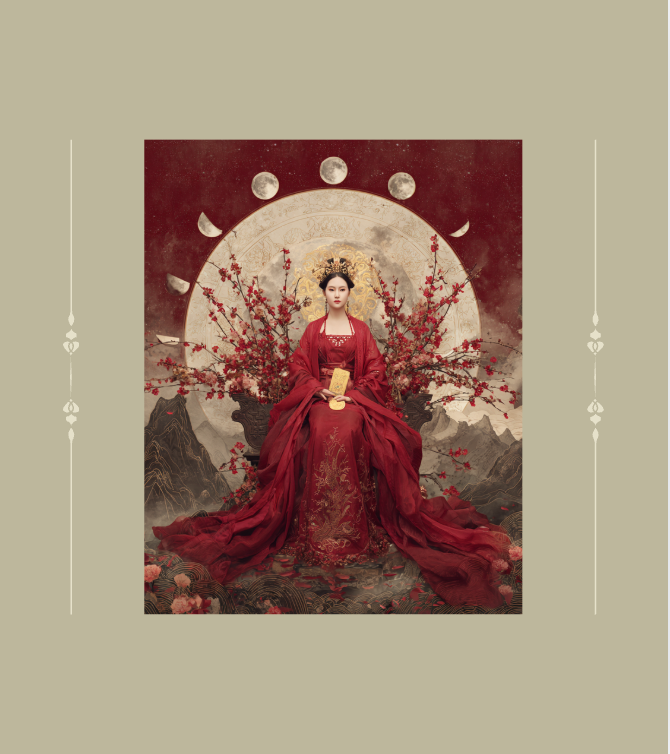
For tarot decks, the imagery matters tremendously. Tarot readers often collect multiple decks because different artistic approaches illuminate different aspects of the cards' meanings. The Eastern Arcana deck reimagines all 78 tarot cards through five Asian art traditions - Chinese landscape painting for the Major Arcana, gongbi court painting for Pentacles, ink wash for Cups, Tibetan thangka for Wands, and Japanese ukiyo-e woodblock prints for Swords. Each suit's artistic style matches its elemental energy. The Western Treasury deck takes a similar approach with European art movements - Symbolist painting for Major Arcana, Art Nouveau for Pentacles, Art Deco for Cups, Baroque for Swords, and Pre-Raphaelite for Wands.
Different decks serve different purposes. You might use one deck for career questions because its imagery speaks to worldly success, and another deck for spiritual questions because its symbolism points toward transcendence. This isn't indecision - it's sophistication. You're matching the tool to the task.
Learning to Read Tarot
If tarot's structured system appeals to you but feels overwhelming, focused learning helps. Rather than trying to memorize all 78 cards through rote memorization, approach tarot as a practice for self-reflection and emotional wellness. The Tarot for Self-Care course teaches this approach - using tarot not for fortune-telling but for understanding your emotional patterns, clarifying decisions, and developing self-awareness. When you learn tarot through practical application to your own life, the meanings stick because they're connected to lived experience rather than abstract memorization.
This approach works whether you're using traditional Rider-Waite imagery or more contemporary artistic interpretations. The archetypal meanings remain consistent even as the visual language changes. Once you understand that the Three of Swords represents painful truth and necessary endings, you'll recognize that energy whether it's depicted through Baroque chiaroscuro drama or Japanese woodblock print clarity.
Building Your Practice
However you enter card reading - through tarot's structure or oracle's intuition - you're developing a practice of paying attention. Cards don't predict a fixed future. They reflect your current energy, illuminate patterns you might not consciously recognize, and offer perspective on situations where you're too close to see clearly.
The cards work because they engage your intuition through visual symbolism. Something in your subconscious recognizes the truth in an image before your conscious mind can articulate it. That's why the right deck matters - you need imagery that speaks to your particular subconscious vocabulary.
Start wherever you feel called. Trust that inclination. If oracle cards' immediate accessibility draws you, begin there. If tarot's comprehensive framework appeals to your systematic mind, start there. If you're genuinely torn, get both - one oracle deck for quick daily guidance and one tarot deck for deeper exploration. They'll teach you different things about yourself and about how to access intuitive wisdom.
Over time, you'll develop preferences about which tool serves which situations. You'll discover that certain decks want to come out for certain questions. You'll learn when you need the helicopter's focused hover and when you need the airplane's comprehensive view. Both are valid. Both reveal truth. Neither is better - they're simply different instruments in your toolkit for self-understanding.
The goal isn't to become a professional reader or develop psychic abilities (unless that interests you). The goal is cultivating a practice of reflection, gaining clarity when you're confused, finding perspective when you're overwhelmed, and accessing the wisdom that already exists within you. The cards are mirrors, not magic. They show you what you already know but haven't yet consciously recognized.
Whether you choose tarot, oracle, or both, you're choosing a practice of paying attention to your inner landscape with beauty, symbol, and ritual. That practice - sustained over time with genuine curiosity - will teach you more about yourself than any single card reading ever could.
Oracle decks come in countless varieties - animal archetypes, astrological systems, literary traditions, goddess pantheons, and elemental wisdom. Each type serves different questions and spiritual approaches. Learn more about oracle card types and how to choose the right system for your practice.
Ready to Go Deeper?
From beginner-friendly courses to hand-illustrated tarot decks — everything you need to build real confidence with the cards, in one place.