How Ambient Spaces Support Tarot Practice
Introduction: The Connection Between Environment and Cognitive State
If you've ever tried to read tarot in a noisy coffee shop or interpret a complex spread while distracted by notifications, you know intuitively that environment matters. But this isn't just preference—it's neuroscience.
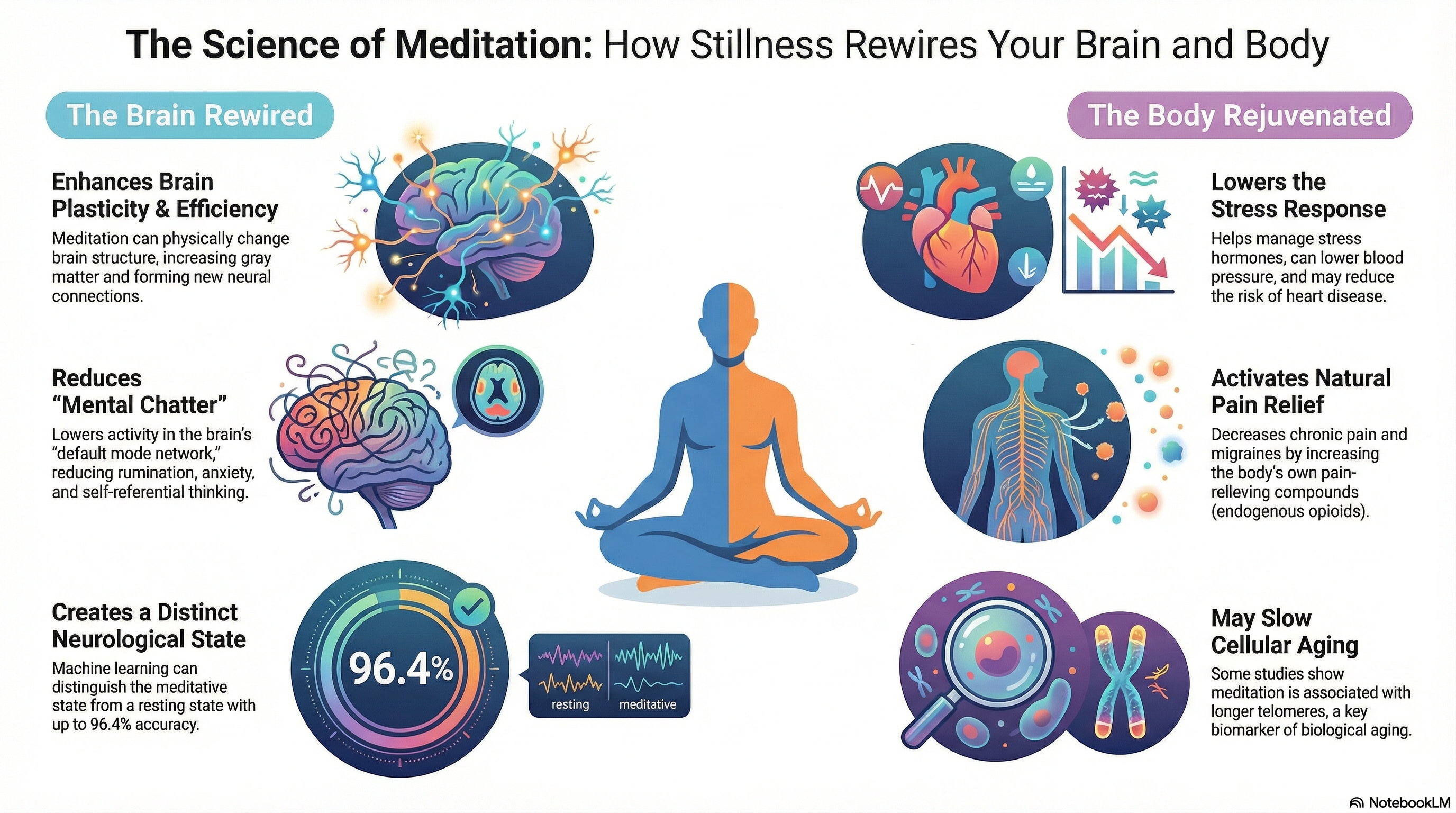
Research from Harvard Medical School and Massachusetts General Hospital has demonstrated that meditation physically changes brain structure, increasing gray matter in regions associated with self-awareness and pattern recognition while reducing activity in areas linked to anxiety and stress. Dr. John Denninger, director of research at the Benson-Henry Institute for Mind Body Medicine, explains that "meditation trains the brain to achieve sustained focus, and to return to that focus when negative thinking, emotions, and physical sensations intrude."
This matters for tarot practice because tarot is fundamentally an interpretive art. You're not reading fixed meanings—you're recognizing patterns, making connections between symbols, and accessing intuitive understanding. These cognitive processes require the exact mental state that meditation cultivates: calm, receptive, focused attention.
This article explores how purposefully designed ambient environments support that mental state, why visual and auditory consistency matters for symbolic interpretation, and how to practically use these tools in your tarot and divination practice.
What Meditation Actually Does:
Meditation isn't magic—it's a trainable cognitive skill that produces measurable changes in brain function and structure.
Attention Regulation
The primary function of meditation is teaching your brain to manage attention deliberately. Instead of ping-ponging between thoughts, worries, and distractions, meditation trains sustained focus. Research from Harvard's Sara Lazar showed that just eight weeks of meditation practice (averaging 27 minutes per day) increased gray matter density in the hippocampus—the brain region associated with learning, memory, and self-awareness.
Pattern Recognition Enhancement
Studies from the MGH Meditation Research Program, led by Dr. Matthew Sacchet, found that long-term meditation changes how the brain processes sensations and emotions. Specifically, meditation shifts brain activity from the frontal regions (associated with conceptual, analytical thinking) to posterior regions (associated with present-moment awareness and sensory processing). This shift is crucial for interpretive work because it moves you from "thinking about" to "perceiving directly."
Reduced Cognitive Noise
Perhaps most importantly for tarot practice, meditation quiets what neuroscientists call the "default mode network"—the brain's tendency to ruminate, worry, and engage in self-referential thinking. The medial prefrontal cortex, often called the "me center," becomes less hyperactive during meditation. This reduction in mental chatter creates space for intuitive insights and symbolic connections to emerge.
A 2014 study published in JAMA Internal Medicine found meditation as effective as antidepressants for managing depression, primarily by changing how people react to stress and intrusive thoughts. These aren't temporary mood changes—Harvard research shows these benefits persist long after meditation sessions end, unlike the short-lived effects of simple rest or vacation.
Why Tarot Benefits from Meditative States
Tarot is not a declarative system—it doesn't provide fixed answers or singular meanings. It's an interpretive practice that requires you to perceive relationships between symbols, hold multiple meanings simultaneously, and allow insight to emerge rather than forcing conclusions. This type of cognition functions best in a calm, receptive mental state.
Interpretive vs. Declarative Thinking
When you're anxious, rushed, or distracted, your brain defaults to declarative thinking: seeking quick answers, binary choices, and concrete conclusions. This is useful for many tasks, but it's counterproductive for tarot. Tarot reading requires holding ambiguity, noticing subtle connections, and allowing symbolic meaning to unfold. The meditative state—characterized by present-moment awareness and reduced self-referential thinking—supports exactly this kind of interpretive cognition.
Symbol Relationships Require Calm Focus
A tarot spread isn't just a collection of individual cards—it's a network of relationships. The Empress gains different meaning when paired with the Tower versus the Star. The position of a card, its orientation, and its proximity to other cards all contribute to interpretation. Recognizing these relationships requires sustained attention without forcing premature conclusions.
Research from Harvard Medical School shows that meditation improves this exact cognitive capacity. By training the brain to maintain focus while remaining flexible, meditation enhances your ability to hold multiple symbolic meanings in mind simultaneously—precisely what tarot interpretation demands.
Distraction Fragments Meaning
Every time your attention gets pulled away during a reading—by notifications, ambient noise, or intrusive thoughts—you lose the thread of symbolic connection. Dr. Denninger's research emphasizes that meditation helps practitioners "return to focus when negative thinking, emotions, and physical sensations intrude." This skill is invaluable for tarot work, where maintaining symbolic coherence across a multi-card spread requires continuous, stable attention.
The Role of Environment in Focus
Your physical environment directly impacts your cognitive state. This isn't philosophical—it's measurable. Visual clutter increases cognitive load. Sudden sounds trigger stress responses. Chaotic environments fragment attention. Conversely, carefully designed spaces support the calm, receptive state that meditation cultivates.
Visual Consistency Reduces Decision Fatigue
Every visual element your brain processes consumes cognitive resources. When you're surrounded by changing imagery, competing colors, or busy patterns, your attention constantly shifts. This creates what neuroscientists call "decision fatigue"—your brain exhausts itself processing irrelevant stimuli.
Ambient environments with visual consistency—such as a single landscape or architectural space maintained over time—eliminate this drain. Your visual system quickly adapts to the static or slowly changing elements, freeing cognitive resources for interpretive work. This is why temples, meditation halls, and traditional divination spaces have historically used simple, repetitive visual elements.
Minimal Motion Engages Without Overstimulating
Complete stillness can feel lifeless, but excessive movement pulls attention away from internal focus. The optimal ambient environment uses subtle, repetitive motion—gentle fog drifting through a landscape, soft rain on water, barely perceptible shifts in light. This creates what researchers call "perceptual anchoring": enough sensory input to prevent mind-wandering, but not enough to demand active attention.
This is the same principle used in traditional meditation practices: focusing on breath (subtle, repetitive movement) rather than complete stillness or dramatic activity.
Ambient Sound Masks Intrusive Noise
Silence isn't always calming—especially in modern environments where sudden sounds (notifications, traffic, voices) constantly interrupt. Consistent ambient sound creates an acoustic buffer, masking unpredictable noise while maintaining a calm auditory environment. Music designed for meditation typically uses sustained tones, minimal melody, and repetitive patterns that don't demand attention but provide auditory consistency.
Long-Form Content as Functional Design
This is where extended ambient videos become practical tools rather than passive entertainment. Eight-hour ambient environments aren't arbitrary—they're designed to support extended practice sessions without interruption. You can begin a tarot study session, work through multiple spreads, journal your insights, and complete your practice without the jarring interruption of the video ending or changing.
The length itself becomes part of the meditative container, signaling to your nervous system that this is protected time for focused work.
Cultural Diversity in Contemplative Spaces
Symbolic systems and contemplative practices exist across every human culture. Western tarot, Chinese astrology, Indian Vedic traditions, dream interpretation, archetypal studies—these are different languages describing similar human experiences: the search for meaning, pattern, and connection.
Creating ambient environments that honor this diversity isn't just aesthetically inclusive—it's pedagogically essential.
Different Symbolic Languages Resonate with Different Practitioners
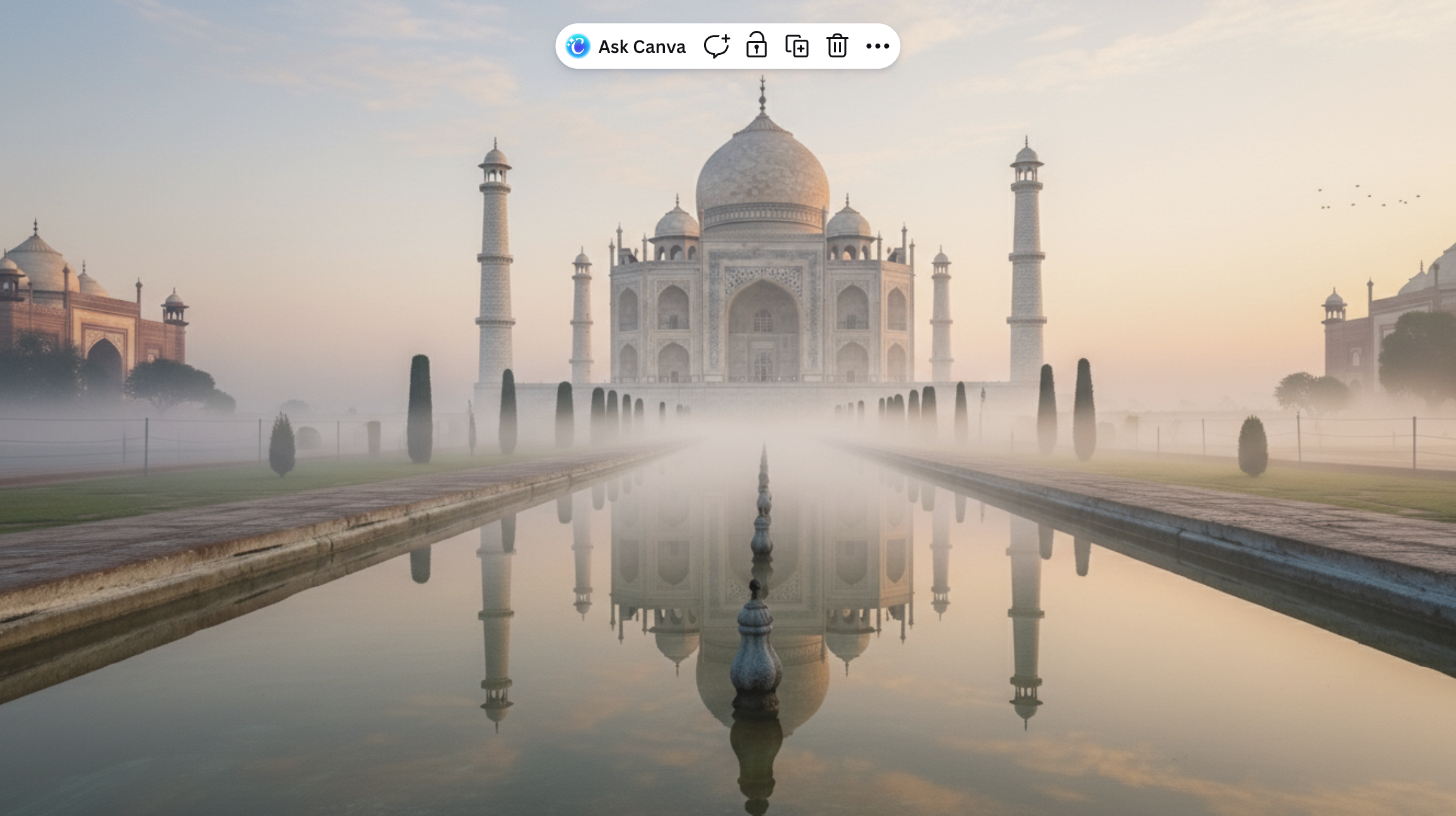
A practitioner working with Western tarot might find deep focus in European architectural spaces—Gothic cathedrals, Renaissance courtyards, Celtic landscapes. Someone studying Chinese astrology might connect more readily with East Asian environments. A student of Vedic astrology might find the Taj Mahal or temple architecture creates the right contemplative resonance.
This isn't cultural tourism or appropriation—it's recognition that symbolic literacy develops through environments that feel personally meaningful. Your intuition speaks in the language of your experience, your ancestry, your curiosity, and your study. The goal is connection to YOUR intuition through spaces that resonate with YOU.
Global Practice Requires Global Reference Points
Tarot Guru Art serves an international audience—practitioners in Asia, Europe, the Americas, Africa, and beyond. Creating a library of culturally diverse contemplative spaces acknowledges this reality. The Azores gardens, the Taj Mahal at sunrise, Parisian architecture, lakeside cottages, crystal caves—each environment offers a different entry point into meditative focus.
Western practitioners aren't limited to Western imagery, and Eastern practitioners aren't confined to Eastern spaces. The diversity itself is the point: a global collection of contemplative environments that honors the fact that symbolic interpretation transcends geography.
Respectful Representation Matters
These aren't exotic backdrops or decorative elements—they're meaningful spaces with cultural and historical significance. The Taj Mahal isn't just "pretty architecture"; it's a monument to love and loss, built with mathematical precision and spiritual intention. The Azores aren't just "nice gardens"; they represent centuries of Portuguese relationship with volcanic landscape and ocean.
When these spaces are presented as contemplative environments, they're being honored for what they actually are: places where human beings have gathered, reflected, mourned, celebrated, and sought meaning. Using them as meditation spaces continues that tradition rather than diminishing it.
Multiple Traditions, Single Cognitive State
Whether you're studying Western tarot, Indian astrology, Chinese zodiac systems, or dream interpretation, the cognitive requirements remain consistent: calm attention, pattern recognition, symbolic flexibility, and receptive awareness. The cultural context of the environment may vary, but the mental state it supports remains the same.
This is why a diverse library of ambient spaces serves practitioners across all symbolic systems. You're not choosing environments based on which tradition you're studying—you're choosing based on which space helps YOU access the meditative state your practice requires.
Practical Applications: How to Actually Use These Environments
Ambient environments aren't passive background noise—they're active tools for creating and maintaining meditative focus. Here's how to integrate them into your actual practice.
Before Drawing Cards
Use ambient environments to transition from daily mental chatter into receptive awareness. Before you shuffle your deck or formulate your question, spend 5-10 minutes simply sitting with the environment. Let your breathing slow, let your visual attention soften on the landscape or architecture, allow the ambient sound to create acoustic consistency.
This pre-reading meditation isn't separate from your tarot practice—it's the foundation. You're not trying to "clear your mind" (an impossible goal); you're training your attention to stabilize so that when you begin interpreting cards, you're working from calm focus rather than anxious grasping.
During Extended Study Sessions
If you're working through a tarot book, studying card meanings, or analyzing complex spreads, ambient environments provide the sustained cognitive container for deep work. The eight-hour format means you never have to interrupt your flow to find new music or restart a video.
Set up your study space, start the ambient environment, and work for as long as your focus holds. The consistency of the visual and auditory environment helps maintain the meditative state across hours of study, preventing the mental fragmentation that comes from constantly changing sensory inputs.
While Journaling Interpretations
After completing a spread, many practitioners journal their insights, questions, and symbolic connections. This reflective writing benefits from the same calm, receptive state as the reading itself. Keep the ambient environment running while you write—it maintains continuity between interpretation and reflection, allowing deeper insights to emerge as you process what you've perceived.
For Astrology and Symbolic Work Beyond Tarot
These environments support any practice requiring symbolic interpretation. Working with your birth chart, studying Chinese zodiac, exploring dream symbolism, or analyzing archetypal patterns all benefit from sustained meditative focus. The cognitive requirements are identical: calm attention, pattern recognition, holding ambiguity, allowing meaning to unfold.
Choose environments that resonate with the symbolic system you're studying—or deliberately choose environments from different traditions to remind yourself that you're developing symbolic literacy, not just memorizing meanings from a single system.
Creating Ritual Containers
For practitioners who maintain regular practice schedules—daily card draws, weekly study sessions, monthly lunar readings—ambient environments can become part of your ritual structure. Using the same environment consistently signals to your nervous system: "This is contemplative time. This is when I shift from doing mode to being mode."
The familiarity of the environment itself becomes meditative, requiring less cognitive adjustment each time you begin practice.
When NOT to Use Ambient Environments
These tools support meditative focus, but they're not appropriate for all tarot work. If you're doing reading professionally for clients, you need active presence and interpersonal awareness—ambient environments might create too much internal focus. If you're teaching tarot to others, conversation and interaction take priority over meditative depth.
Know when you need meditative focus (personal practice, study, journaling) versus active engagement (client work, teaching, collaborative interpretation). Use ambient environments intentionally, not habitually.
Art as Container, Not Distraction
There's a crucial distinction between entertainment and contemplative art. Entertainment demands attention—it stimulates, surprises, and engages you actively. Contemplative art provides a container—it holds space without demanding focus, supports your work without competing for attention.
These Aren't Videos to Watch
The ambient environments created for Tarot Guru Art aren't designed to be watched the way you'd watch a film or documentary. They're not telling stories, building tension, or providing visual climax. If you find yourself actively watching the screen, the environment isn't serving its purpose.
Instead, these are spaces to work within. Like a studio, a library, or a quiet room, they provide atmospheric consistency that supports your actual work—the tarot reading, the symbolic interpretation, the reflective writing. The environment should fade into peripheral awareness while your attention remains on the cards, the symbols, the insights emerging from your practice.
The Role of Beauty Without Demand
The environments are beautiful—this matters. Beauty has a calming effect on the nervous system, particularly beauty that isn't trying to shock or impress. The soft light on the Taj Mahal, the gentle rain on Azores gardens, the architectural presence of Parisian iron latticework—these create what researchers call "restorative environments": spaces that reduce mental fatigue without requiring active attention.
But this beauty never demands that you look. It simply exists, providing visual and auditory coherence while you do the real work of symbolic interpretation.
Designed for Disappearance
The most effective contemplative environments are those you stop noticing. After the first few minutes, the visual consistency and ambient sound should become like breath in meditation—present but not demanding attention, noticed when you return to it but not pulling focus away from your practice.
This is why subtle movement matters (the 12% opacity fog, the barely-there shifts in light). Complete stillness can feel dead or distracting. Excessive movement constantly pulls attention. The right balance allows the environment to feel alive without competing for your cognitive resources.
A Library, Not a Performance
Think of these ambient environments as a library of contemplative spaces. You don't choose based on what's most impressive or most exotic—you choose based on what supports YOUR practice today. Sometimes that's the architectural presence of the Taj Mahal. Sometimes it's the intimate enclosure of an Azores courtyard. Sometimes it's the expansive view from the Eiffel Tower.
The diversity exists so you can match environment to need: open spaces when you want expansiveness, enclosed spaces when you want containment, architectural precision when you want structure, natural landscapes when you want organic flow.
You're not collecting experiences. You're building a practice.
Conclusion
Meditation changes the brain in measurable ways—increasing focus, enhancing pattern recognition, and reducing the mental noise that fragments symbolic interpretation. Tarot and other divinatory practices require exactly these cognitive capacities: calm attention, symbolic flexibility, and receptive awareness.
Environment directly impacts your ability to achieve and maintain these states. Ambient spaces with visual consistency, minimal motion, and sustained auditory presence provide the functional architecture for extended contemplative work.
The cultural diversity of these environments reflects a simple reality: symbolic systems exist across all human traditions, and practitioners connect through imagery that resonates with their own experience, study, and curiosity.
At Tarot Guru, we created these spaces to support our own contemplative process—to support us as we stretch to understand other cultures and the modern tools that give us access to them. We have released them into the world in the hope that you will use them to achieve more peace, prosperity, and understanding in your own life.
These aren't videos to watch. They're spaces to work within. Use them intentionally, choose them purposefully, and return to them as needed. Your practice will tell you what works.
Ready to Go Deeper?
From beginner-friendly courses to hand-illustrated tarot decks — everything you need to build real confidence with the cards, in one place.